Patrick has taught at a tertiary level since 2012, across undergraduate, post-graduate, and higher degree by research. He has taught at RMIT, Deakin, and Swinburne Universities, across the disciplines of Film, Screen, Media, and Communication. He has taught in online, face-to-face and blended learning modes since the start of his academic career, and led his program’s responses to the disruption created during COVID and by the rise of Gen-AI. As Program Manager, he has led curriculum development projects, designed Program Enhancement Plans as part of regular Annual and Comprehensive Program Reviews, and made successful Major and Minor Amendments to programs. His work in curriculum development has led to excellent outcomes for his students, staff, School, and University.

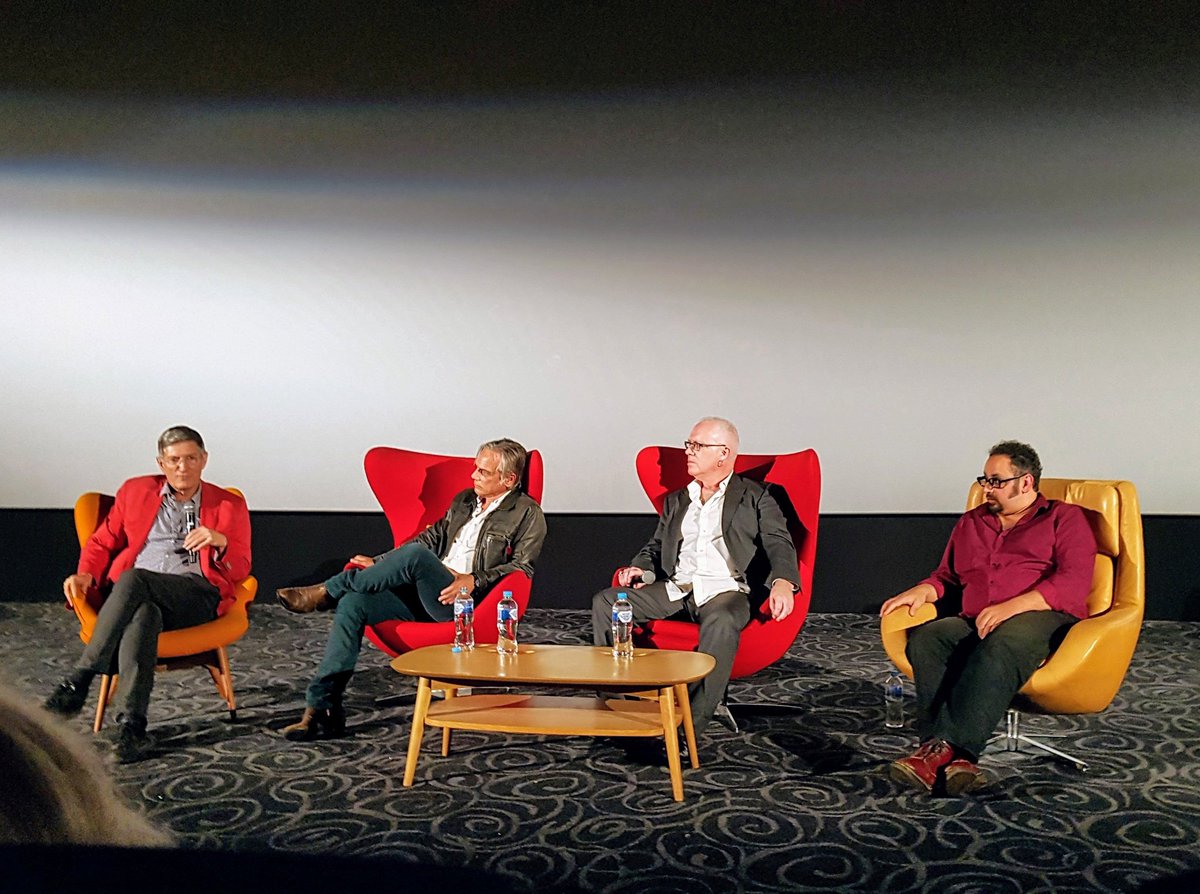
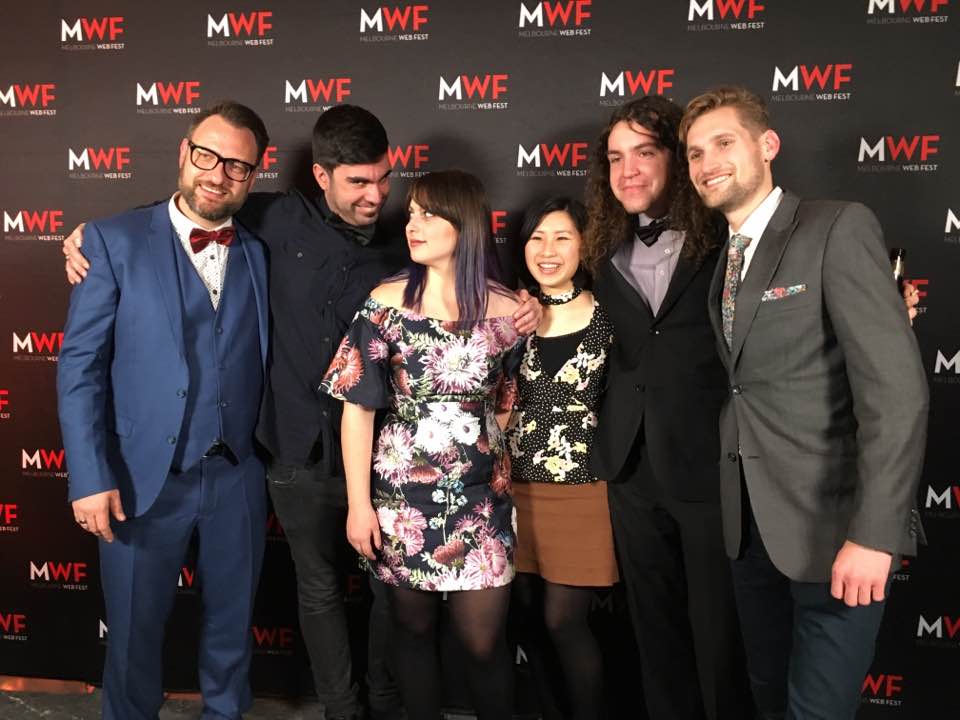
Patrick inspires postgraduate students to launch their futures and develop agency and autonomy as professionals by embedding industry partnerships, networking, and career development in curriculum.
Patrick utilises a constructivist approach in his teaching, in which students acknowledge and build upon the various contexts in which they work, fostering an environment of inclusive and transformative collaborative practice. As a champion of creative practice pedagogy in screen production, he has enhanced Master of Media students’ employability through embedding industry partnerships, equipping students with the confidence and motivation to draw closer connections with individuals and organisations in the real world.

Industry Partnerships
Partnership with Victorian Equal Opportunity & Human Rights Commission
In 2015, Patrick set up a video project for students with the Victorian Equal Opportunity and Human Rights Commission (VEOHRC) that explored the impact of amendments to the Equal Opportunity Act on LGBTI people. Student videos created in partnership with VEOHRC.
More on this partnership at:
Little, W. (2016) ‘Students help in the fight against discrimination’, in RMIT News, 09 Jun, available at: <https://www.rmit.edu.au/news/all-news/2016/june/students-help-in-the-fight-against-discrimination>.
Partnership with Winda Mara Aboriginal Corporation
In 2016, he set up a mobile walking tour app project in partnership with Winda Mara Aboriginal Corporation. Students learned how to use storytelling techniques to offer a glimpse of the cultural and environmental significance of Tyrendarra Indigenous Protected Area.
More on this partnership at:
Little, W. (2016) ‘Mobile app to promote Indigenous protected area’, in RMIT News, 15 Nov, available at: <https://www.rmit.edu.au/news/all-news/2016/september/mobile-app-promote-indigenous-area>.

HDR Supervision
Patrick currently supervises four PhD projects at RMIT. His HDR candidates and their creative and innovative projects reflect the ethics of Patrick’s work and his commitment to fostering thriving communities through centering minority voices. Since becoming eligible to supervise in 2017, he has achieved six HDR completions:
Boonwurrung Elder N’Arweet (Aunty) Prof. Carolyn Briggs, 2020, Yulendj Boonwurrung: A Journey of Old Knowledge and Innovative Forms for Assisting Urban Indigenous Youth to Engage in Contemporary Indigenous Knowledge (PhD);
(Tony) Tong Tong, 2020, "the moment of shooting": Embracing Improvisation Towards Efficiency in the Creation of Micro-Budget Interactive Short Films (Masters);
Robert Smellin, 2022, The Making of the Nick: Designing a Systematic Approach for the Chaotic Practice of Micro-Budget Short Filmmaking (Masters);
Chris Smellin, 2023, From Repetition To Remaking: An Autistic Filmmaker's Exploration Of Repetitious Cinematic Practices (Masters);
Dr. Hsham Aburghif, 2024, Baghdadi Street Life ( ﺑﻐﺪادي ﺷﺎرع ﺣﯿﺎة ): Using I-Doc Practice to Challenge Stereotypes of Iraq and Iraqis in Hollywood Cinema (PhD);
Dr. Paul White, 2025, Who Writes a Generative Text? An Investigation into the Mechanisms of Projecting a Distinct Authorial Voice when using Generative Text Processes (PhD).
Ready for the Future
My approach to teaching sees students reflectively collaborating as part of an inclusive and supportive community of practice. This environment scaffolds students as they progress from working on projects for external partners to autonomously engaging with industry. They emerge as curious professionals who are ready for life and work.